

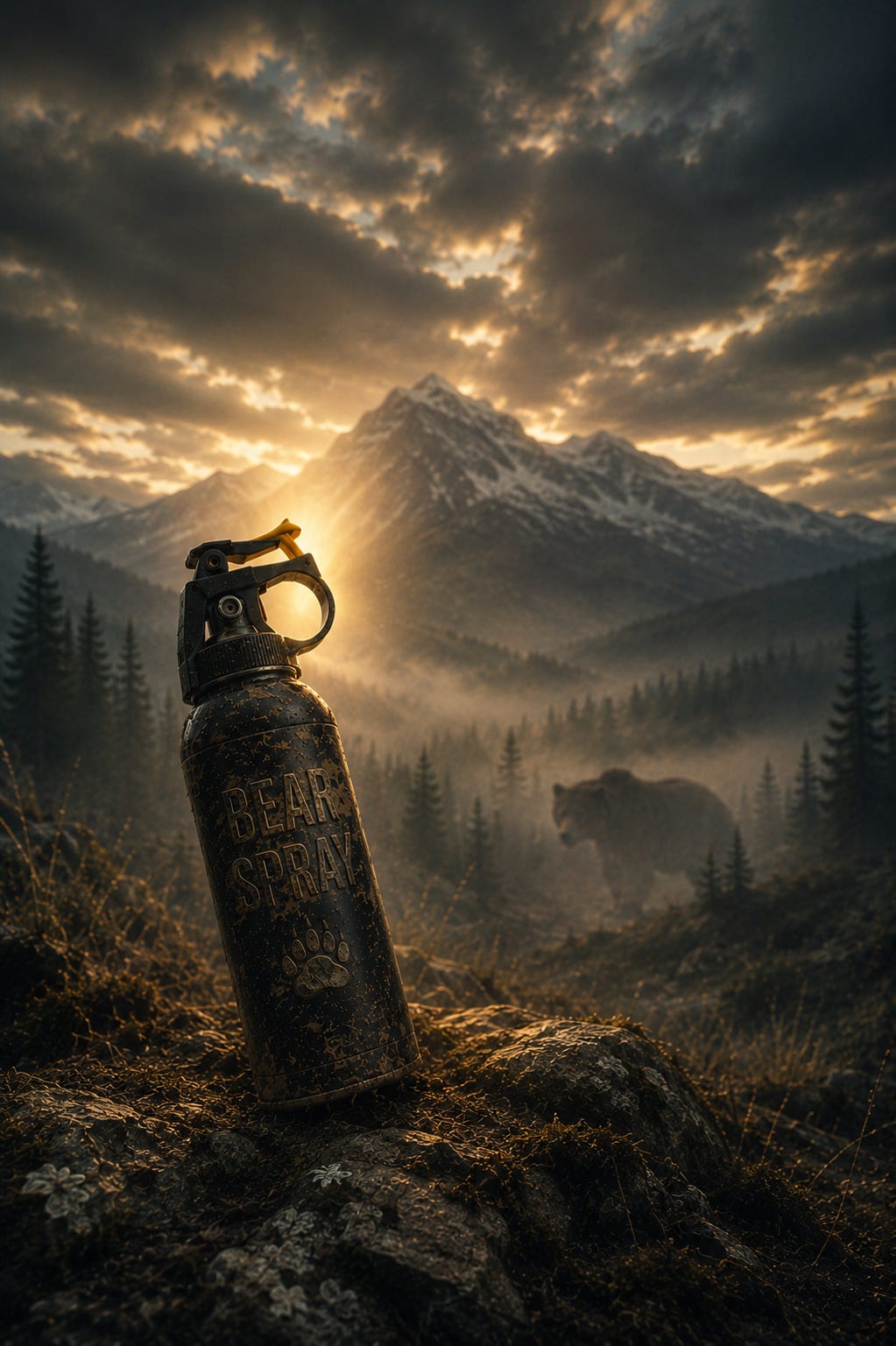
Prologue
Before I share these entries from Montana, a small heads up: this series may feel a little different than my usual writing.
Less sermon. Less thesis. More travelogue.
Over eight days, I moved between Glacier, Whitefish, Missoula, Livingston, Yellowstone, Cooke City, and long stretches of road carrying a nervous system far more exhausted than I realized. There were bears. Bison. Leadership retreats. Jesus billboards. Moss-covered forests. Strange conversations. Solitude. Ecological grief. Unexpected tenderness.
Also an alarming amount of personal reflection for a man who mostly packed black t-shirts, protein bars, and industrial-strength bear spray.
Somewhere along the way, the landscape began quietly returning me to scale.
These are less polished conclusions than field notes from that process. I’ll likely share them two days at a time over the next few weeks.
If the series resonates, I’d love for you to subscribe, share it with someone who might need it, or support the work here on The Deep End. Independent writing survives because people pass it hand to hand, nervous system to nervous system.
And now:
bear country.
Saturday, May 2 - day 1
Whitefish
The night before I left for Montana, I led Shabbat services at Bet Haverim.
There is something very particular about ending a Friday night in Jewish communal warmth: candles, singing, conversation, people lingering afterward because nobody quite wants to reenter the regular world yet. I think some part of me imagined carrying that softened Shabbat feeling into Montana.
Instead, I landed in bear country.
Not metaphorical bear country. Actual bear country.
The moment I stepped off the plane in Kalispell, I realized that Montana treats bear preparedness the way most airports treat neck pillows. There was not merely a kiosk selling bear spray. There was an entire storefront devoted exclusively to anti-mauling technology. Somewhere between baggage claim and the rental car shuttle, travelers were apparently expected to prepare for immediate ursine conflict.
Naturally, it was closed.
Already the wilderness was refusing to accommodate my schedule.
I wanted to hike that afternoon, so I drove into Whitefish scanning storefronts for bear spray like a middle-aged gay Jason Bourne with lower back tightness and excellent emotional vocabulary. Honestly, the entire town seemed organized around the possibility of violent wildlife encounters.
And yet what finally got me was Walgreens.
I walked in intending to buy bottled water and a protein snack. Instead, immediately as the automatic doors slid open, I was greeted by a towering display of industrial-strength bear spray beneath a large sign that read:
BEAR SPRAY NON-RETURNABLE.
Which meant I was either going to use it or lose fifty dollars.
An unusually honest metaphor for adulthood.
One aisle over, tourists were buying gummy vitamins, Goldfish crackers, and SPF 50 while I stood there holding a canister specifically designed to temporarily blind a grizzly bear. The cashier asked if I wanted a receipt, which implied there existed a future scenario where I might calmly return after surviving a bear attack and say, “You know what? This ultimately wasn’t for me.” Even if it wasn’t technically returnable.
I clipped the bear spray to my belt and drove toward my hike feeling simultaneously ridiculous and deeply reassured.
The funny thing is that afternoon I was never exactly remote. At several points on the trail I could still see the road below me. Civilization remained fully visible. Somewhere nearby people were probably ordering onion rings and posting filtered mountain selfies, and still I clutched that bear spray like an emotional support apocalypse baton. Yogi and Boo Boo could be anywhere, sizing me up like a tasty picnic basket.
The mountains themselves did not seem particularly interested in my nervous system. They rose out of the earth with ancient indifference, snow still clinging stubbornly to ridgelines. Even the air felt different there: cleaner, sharper, like it had never attended a strategic planning session in its life.
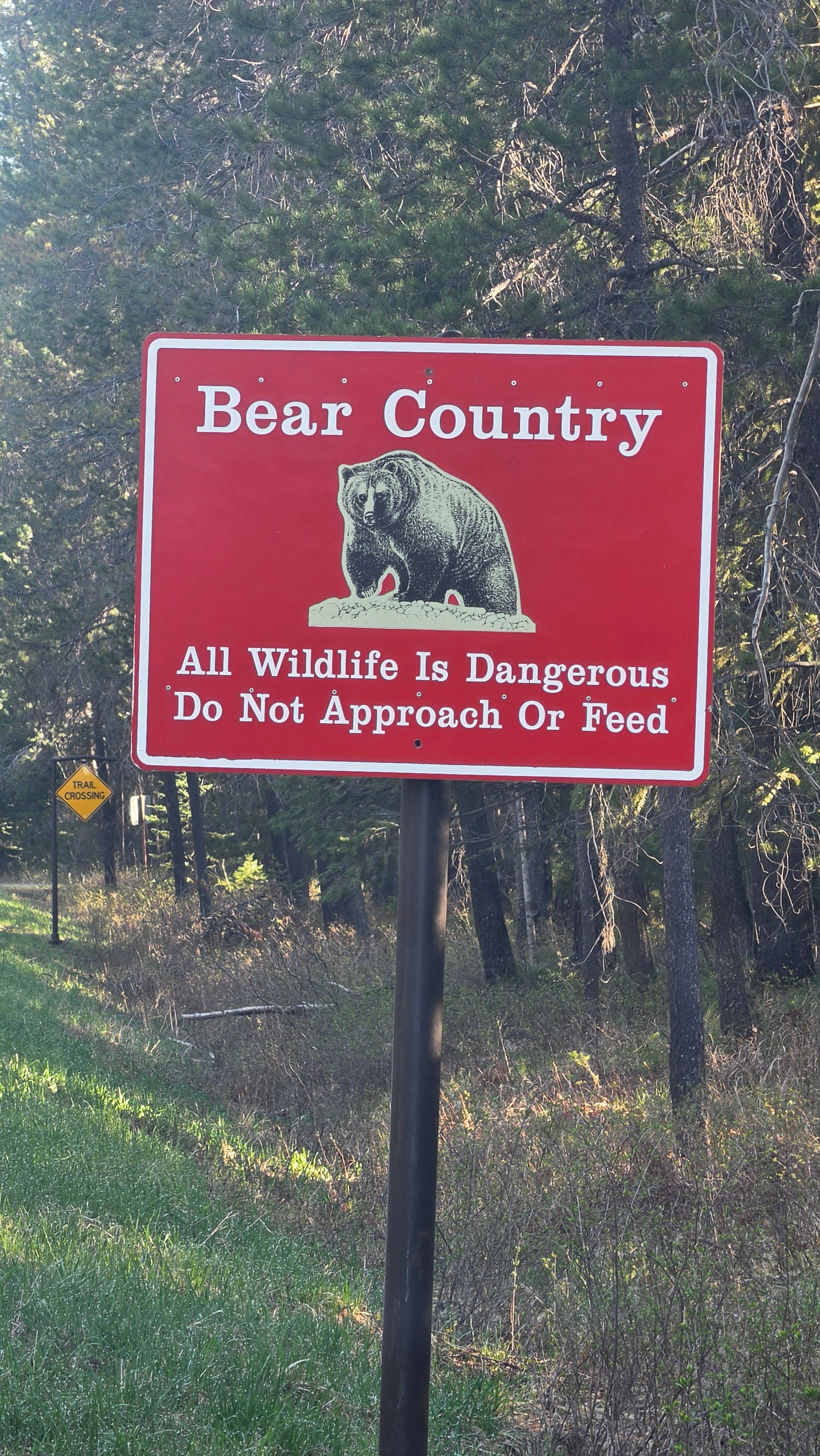
I nervously reached for the can practicing my draw since every trailhead carried some variation of the same warning:
ALL WILDLIFE IS DANGEROUS.
MAKE NOISE.
CARRY BEAR SPRAY.
I was hiking alone carrying industrial-strength bear mace strapped to my waist like a member of a very emotionally literate militia. Somewhere below me, Whitefish spread out in its overly manicured Western-showdown aesthetic: too much timber, curated cowboy energy, expensive outdoor gear, and enough reclaimed wood to rebuild a moderately sized ark. From the ridgeline, I could see the roads, the restaurants, the little performance of rugged luxury happening beneath me, and I found myself unexpectedly grateful to be on the trail instead. Up above, were clear cut swaths of ski lanes that I imagined were underused due to a warmer Western winter. Somewhere between the cold air, the pine-covered slopes, and the distant shimmer of Whitefish Lake below, something in me began to loosen.
Not heal. That word gets abused by people who spend one weekend journaling near sagebrush and suddenly start an herbal newsletter. But loosen? Definitely.
I realized how loud my inner world had become only after arriving somewhere that did not care about it.
Back home, life had begun to feel like a constant low-grade rehearsal for catastrophe: family health concerns, work demands, political dread, climate anxiety, the emotional labor of modern relationships, and the constant awareness that something somewhere was always wrong and probably needed immediate attention.
We know too much, feel too much, monitor too much. Everyone is carrying some version of bear spray now: therapy, supplements, boundaries, emergency savings accounts, meditation apps, GLP-1s, doomscrolling, carefully curated nervous-system practices, group chats devoted entirely to monitoring disaster.
Meanwhile, the mountains were just mountains.
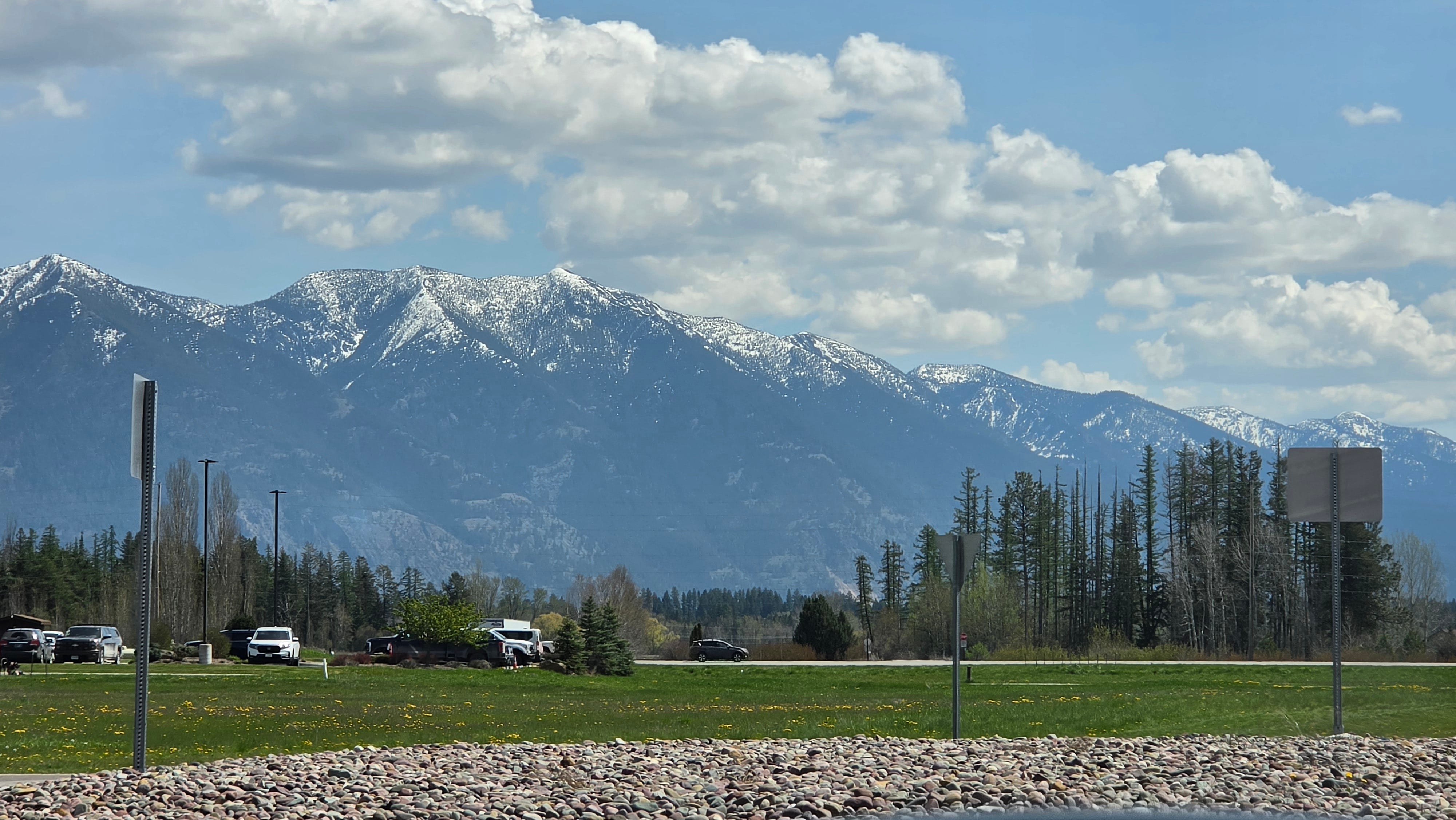
By evening, I checked into the perfectly adequate hotel I had booked before moving to the retreat lodge two days later.
Not luxury. Not rustic chic. Not “wellness retreat.”
More like emotionally saturated rabbi-consultant trying to recover his nervous system with mountain air, solitude, and the profound spiritual luxury of nobody needing anything from him for twelve consecutive hours.
Essentially, all I needed was a room with a lock.
That night, I drove over to the lodge where the retreat would happen and had dinner at the Boathouse overlooking Whitefish Lake.
I remember shaking my head when I arrived because, of course, the one restaurant I had carefully found online for a nice solo dinner turned out to be inside the actual luxury lodge where I’d be facilitating two days later. Nothing online had made that clear.
But walking through the massive timber lobby with its oversized fireplaces, curated Western aesthetic, and guests drinking expensive wine in fleece vests that probably cost more than my first car, I realized I was stepping into a level of luxury I do not normally self-impose.
I’m not opposed to luxury exactly. I just tend to think of “treating myself” as ordering tableside guacamole without checking the surcharge. Thanks, Dad.
The lobby featured a massive stuffed grizzly bear standing upright near the entrance. This one must have been undone by the spray.
Three signs surrounded him:
PHOTOS WELCOME.
PLEASE DO NOT TOUCH THE BEAR.
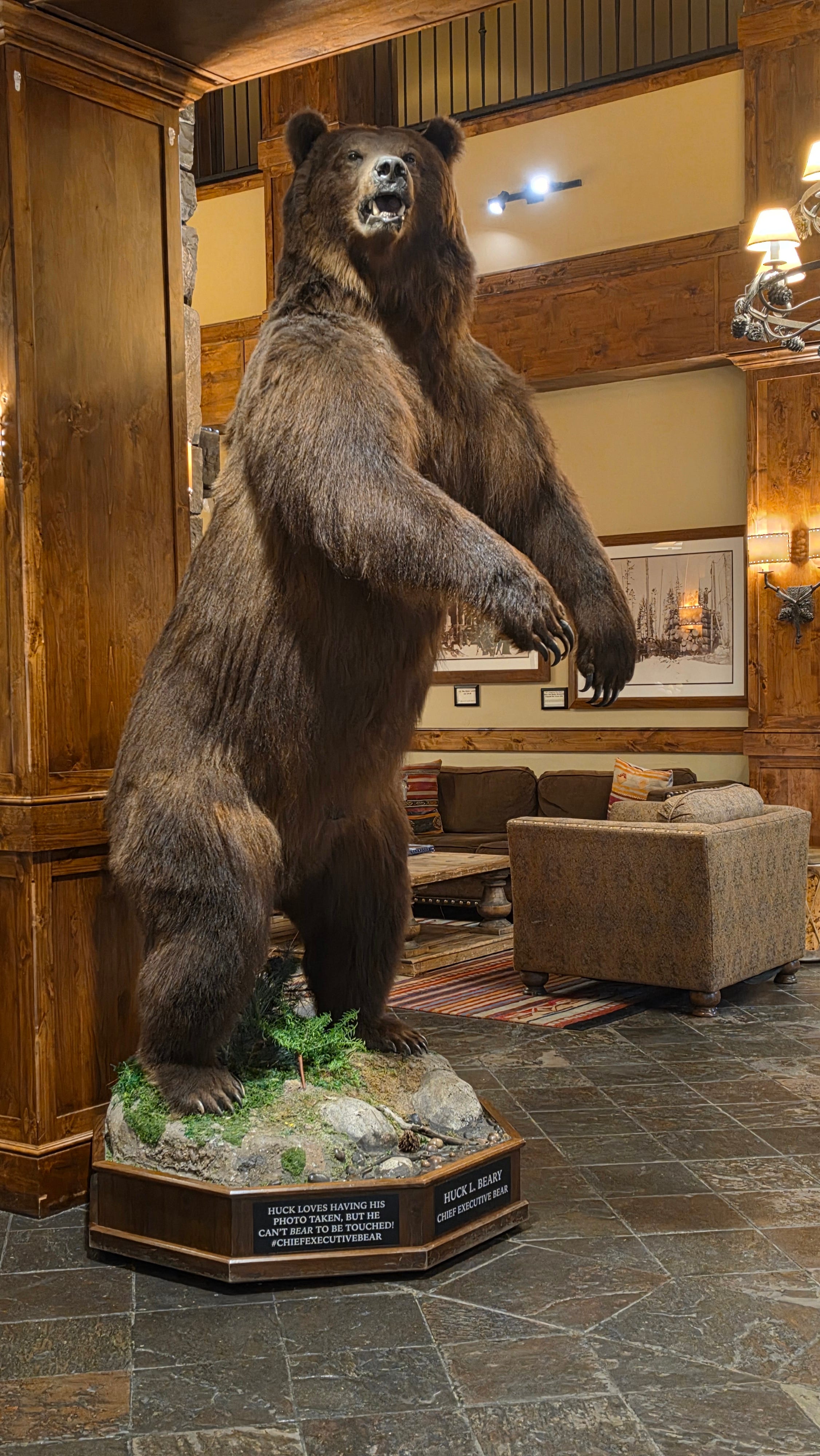
Three signs.
This felt excessive until approximately forty seconds later when a woman walked directly up to the bear with her four-year-old son and immediately began touching it.
Not accidentally. Confidently.
The boy rubbed the bear’s paws while his mother encouraged him like they were visiting a petting zoo sponsored by poor impulse control. I kept waiting for a staff member to intervene.
Nobody did.
Then the child reached slightly above his head and poked a protrusion sticking out of the bear’s fur.
“What’s this?” he asked.
He poked it again.
His mother leaned in, squinted, and burst into laughter.
“Oh my goodness,” she said. “That’s his penis.”
The child stared at her.
“You touched a bear penis!” she announced proudly. “What was it like touching a bear penis?”
I stood there in the lobby holding my dinner reservation buzzer silently concluding this was bad parenting at its absolute finest.
Great.
Now time to eat.
Sunday, May 3 - day 2
Glacier National Park
I woke up absurdly early.
Still dark.
I grabbed an energy drink and a protein bar from the hotel lobby, packed my backpack with sunscreen, bug spray, extra layers, water, and of course bear spray, then drove forty-five minutes toward Glacier National Park feeling like a suburban survivalist with excellent moisturizer.
Along the way I passed even more signs for Jesus. Huge signs, billboards, crosses, and Bible slogans lined the roads with the confidence of people who believed God had strong opinions about highway visibility.
I guess when they said this was God’s country, they meant it literally.
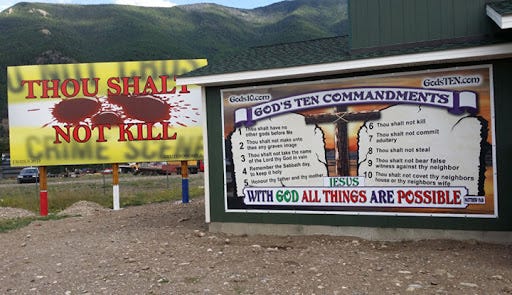
At one point I passed something called Ten Commandments Park and naturally pulled over because I do love religious kitsch. I wandered for a few minutes among giant commandment signs, patriotic religious messaging, and enough aggressively Christian energy to make me briefly forget these were technically my commandments first. The whole place had such intense “God is watching you” energy that instead of feeling spiritually inspired, I mostly found myself wondering how many of the commandments I could realistically violate before lunch.
Eventually I realized this was beginning to interfere with the actual purpose of the day.
I did not need more messaging.
I needed quiet.
So I got back in the car and kept driving.
The park was still only partially open because snow remained at higher elevations, which meant I arrived early enough to experience Glacier in a kind of suspended state before the full tourist machinery awakened.
And then came the turn.
One of those turns that reorganizes something inside you.
The road curved through a tunnel of towering conifers hugging both sides so tightly it felt almost architectural. Directly ahead, framed perfectly between the trees, rose one of the glacier mountains streaked with snow and morning light.
It looked less like scenery than revelation.
Like someone had rolled out a green carpet directly toward majesty.
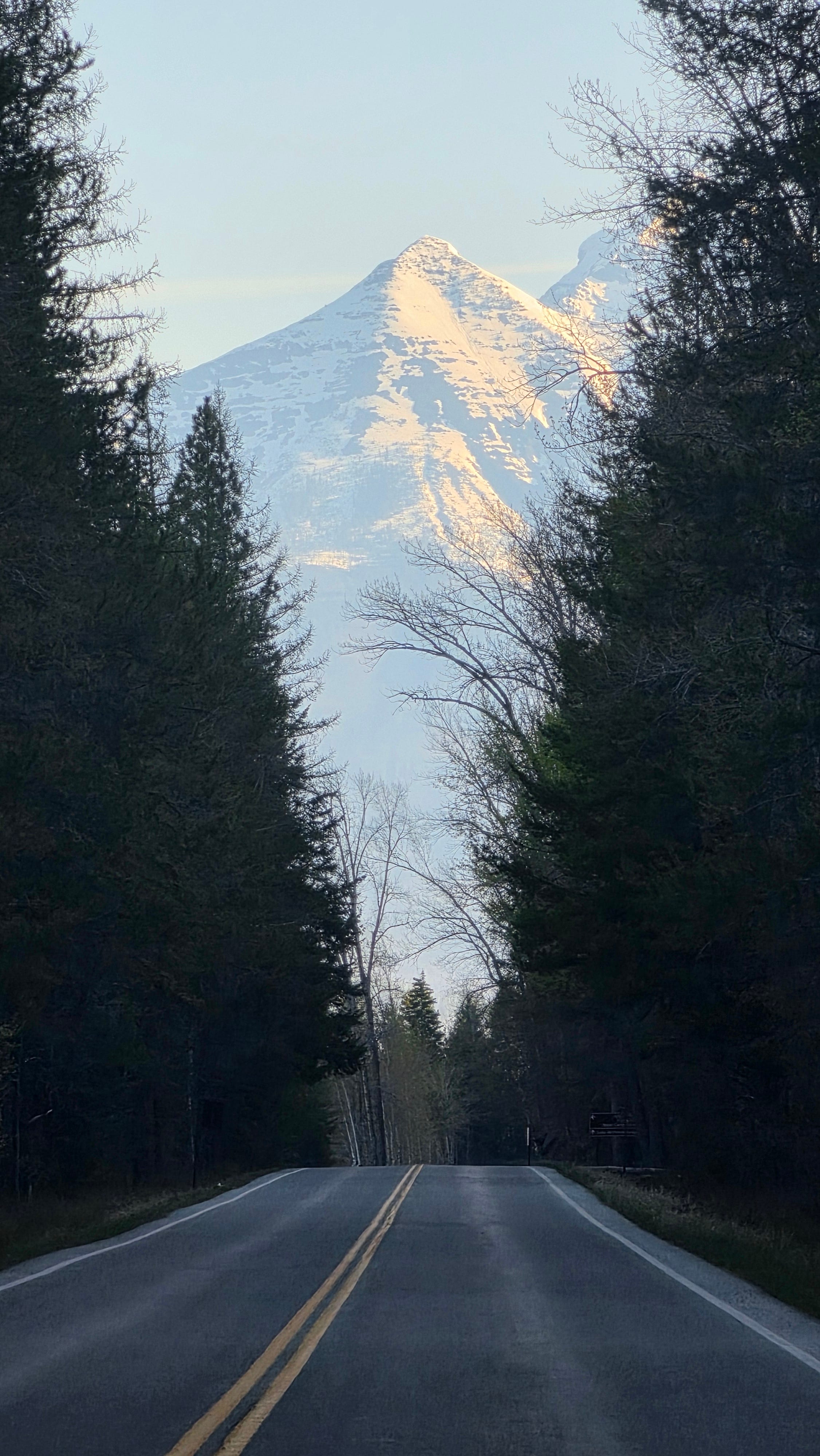
I remember physically laughing out loud in the car by myself, not because something was funny exactly, but because beauty can become almost absurd when it arrives too suddenly.
I drove slowly around Lake McDonald, pulling over constantly to take photographs of the mountains reflected in water so still it barely seemed real. The lake looked like polished glass. The peaks floated upside down beneath themselves.
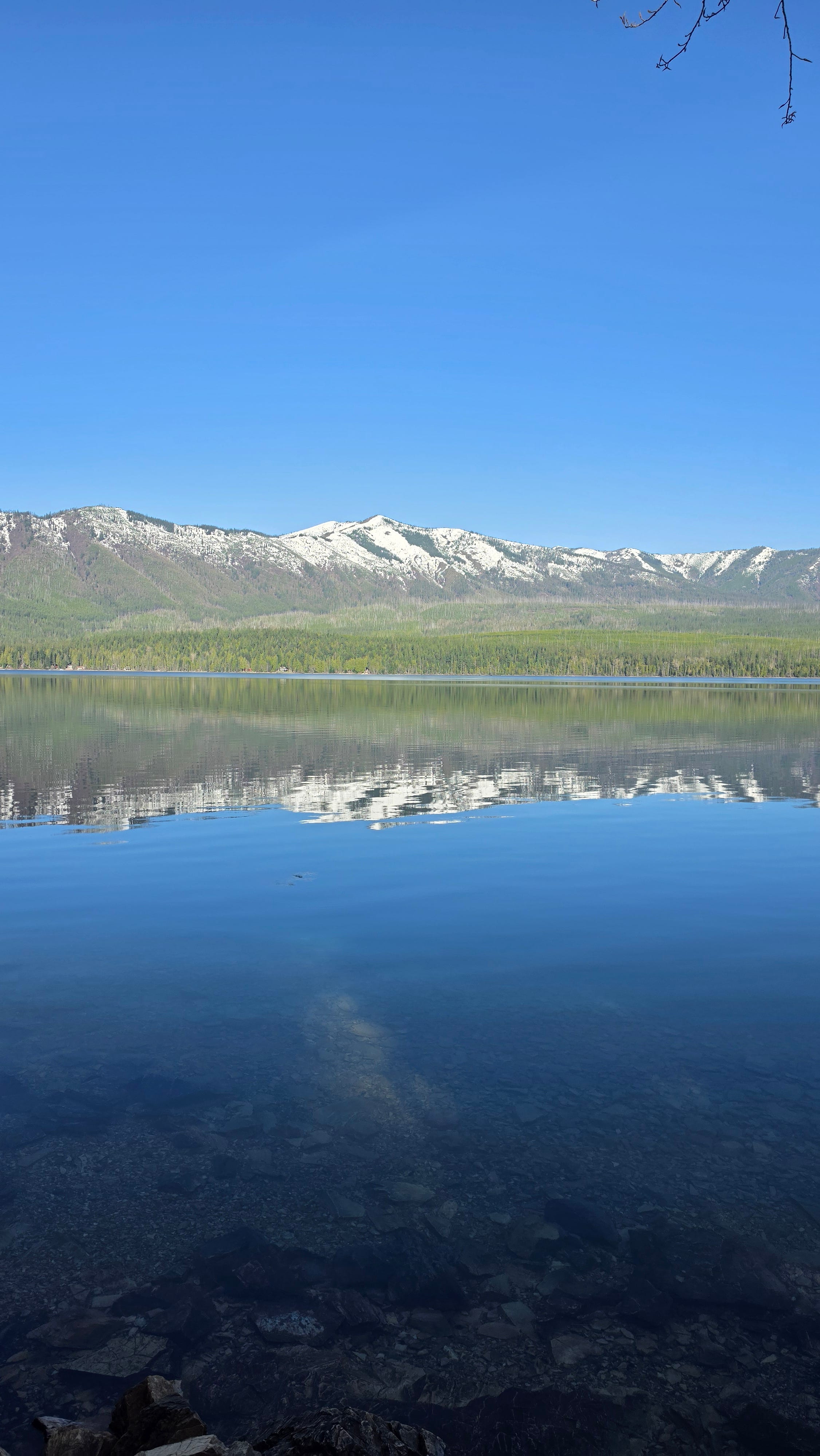
And somewhere during all that stopping and staring, I could feel things beginning to melt out of me.
Then my phone buzzed.
Two brothers mauled by a grizzly in Yellowstone. Take good care of yourself. Love, Mom.
Which admittedly interrupted the transcendence a bit.
I drove as far as the road would take me before snow closures shut down Going-to-the-Sun Road about ten miles in. Cyclists were beginning to prepare for the seasonal opening, weaving past the barricades in brightly colored gear looking both deeply committed and vaguely European.
For a moment I debated renting a bike myself.
Then I remembered I was alone, carrying bear spray, already receiving maternal notifications about active maulings, and perhaps did not need to immediately audition for a Patagonia-sponsored survival documentary.
So I walked instead.
And kept walking.
I took my first real hike of the trip through forests thick with moss, damp earth, mushrooms, and towering trees that seemed less decorative than respiratory. The air itself felt medicinal.
The strange thing about Glacier is that even when you know intellectually that you are safe, your nervous system never fully agrees.
I had promised worried friends I would stay on busy trails. Technically, I intended to. But the park was still quiet that early in the season, and long stretches of trail held only silence interrupted occasionally by joggers or passing hikers.
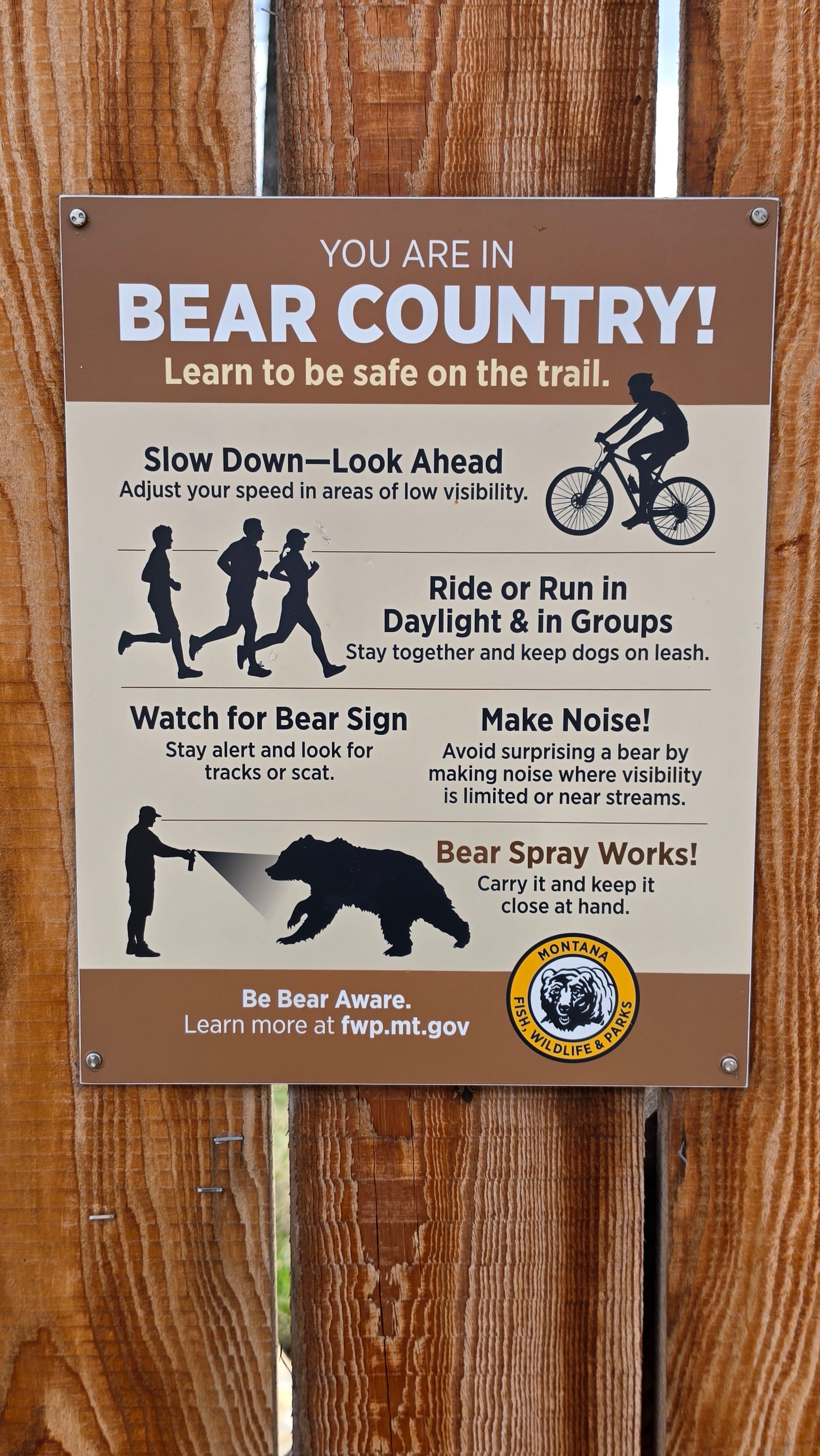
At one point a runner slowed beside me and asked, “Seen any bears?”
I had not. Only deer, two baby elk, birdsong, and wind.
Still, every snapped twig immediately became psychologically significant.
By the third hike of the day, I finally turned on a podcast after spending hours mostly alone with my own thoughts.
I listened to the most recent episode of This Is Love. It followed two people on a casual date hike who became stranded high on a mountain after wandering off trail and eventually stumbled upon the backpack of another missing hiker who had not survived.
Which was objectively an eerie choice for solo hiking in bear country.
And almost immediately, my phone buzzed again.
Suddenly I had service.
Texts from one of the retreat organizers turned into a phone call. We were likely going to need to recalibrate parts of the retreat once everyone arrived, though neither of us yet fully understood what that would mean until more conversations happened with the leadership team.
So there I was, standing in Glacier National Park holding bear spray and discussing emotional group dynamics beneath thousand-year-old trees.
I sent back photographs of the mountains and lake around me.
We had a strangely human moment through text and then by phone. Brief. Grounded. Two people trying to prepare well for others.
And honestly, after hours without service, I felt unexpectedly relieved by the interruption.
Maybe escaping work is harder than we think.
Or maybe meaningful work follows us because it lives inside relationships as much as calendars.
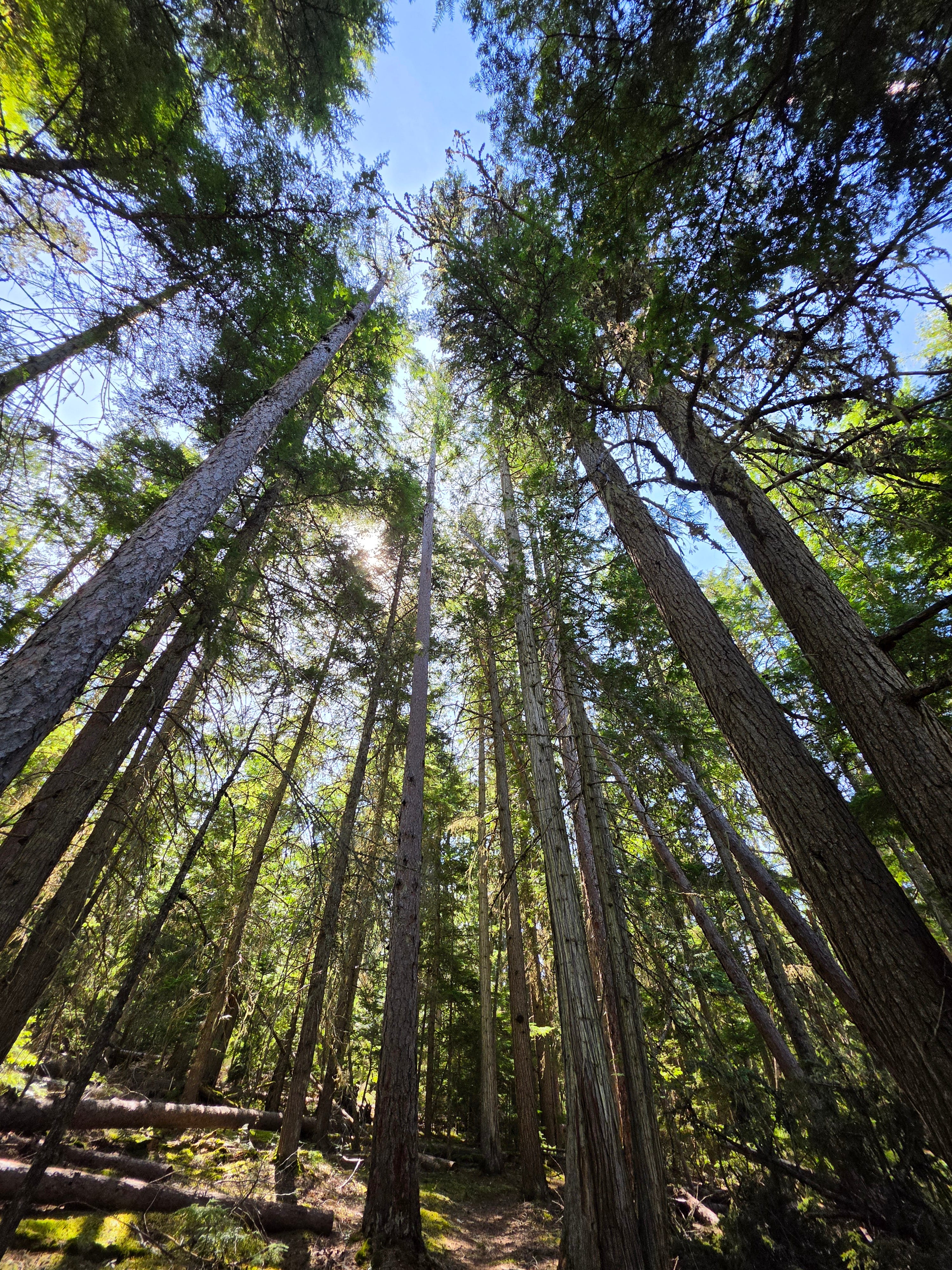
By late afternoon I was exhausted in the cleanest possible way. The kind of tiredness that comes from walking for hours, breathing cold air, and thinking slightly fewer thoughts than usual.
I drove back toward Whitefish with my bear spray still clipped to my belt like an emotionally supportive firearm for liberals.
That night I drove a little farther out to Kalispell for Thai food.
I realized afterward that I had been craving comfort food all day. Not bison burgers, not elevated ranch cuisine, not some carefully curated Montana experience involving reclaimed wood and artisanal elk sausage.
Just noodles.
I was the only person in the restaurant, which suited me perfectly.
Earlier on the trail, the text messages from the retreat organizer had turned into a phone call. We were likely going to need to recalibrate parts of the retreat once everyone arrived, though neither of us yet fully understood what that would mean until there were more conversations with the leadership team.
So I sat there eating Pad See Ew thinking about how I wanted to show up: agile, curious, steady enough to hold the container whether things became volatile or whether everything turned out completely fine.
And somewhere between dinner and my return to Whitefish, I had stopped gripping the uncertainty quite so tightly.
Not because I suddenly had answers.
Just because the mountains had made room for the questions again.
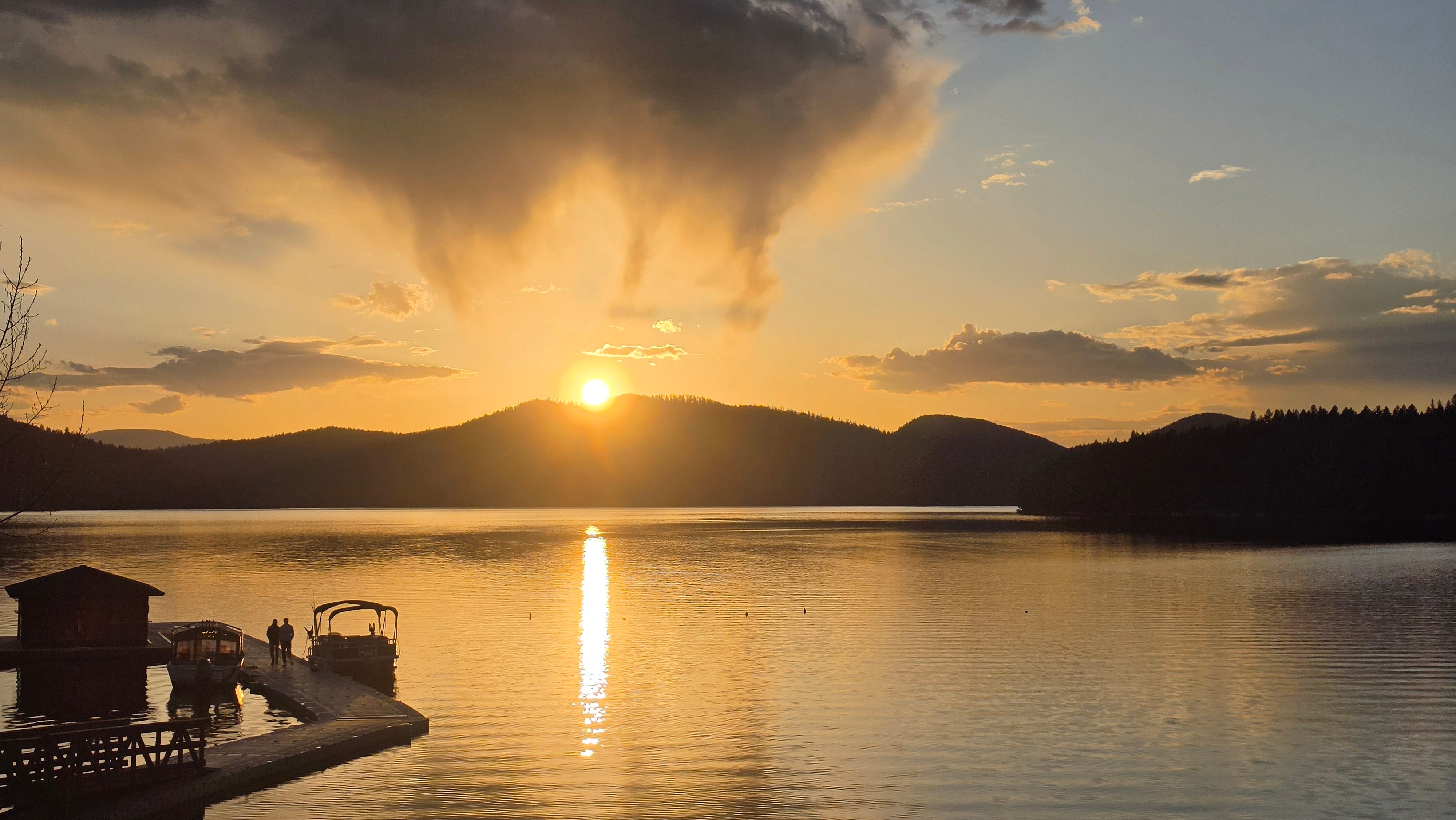
More from the road is coming. More beauty that rearranges something in me. More odd encounters, wilderness rituals, borrowed wisdom, and the quiet comedy of being a human being trying to stay open to awe while carrying bear spray like a sacrament. Subscribe to The Deep End to follow the rest of the travelogue as it unfolds.